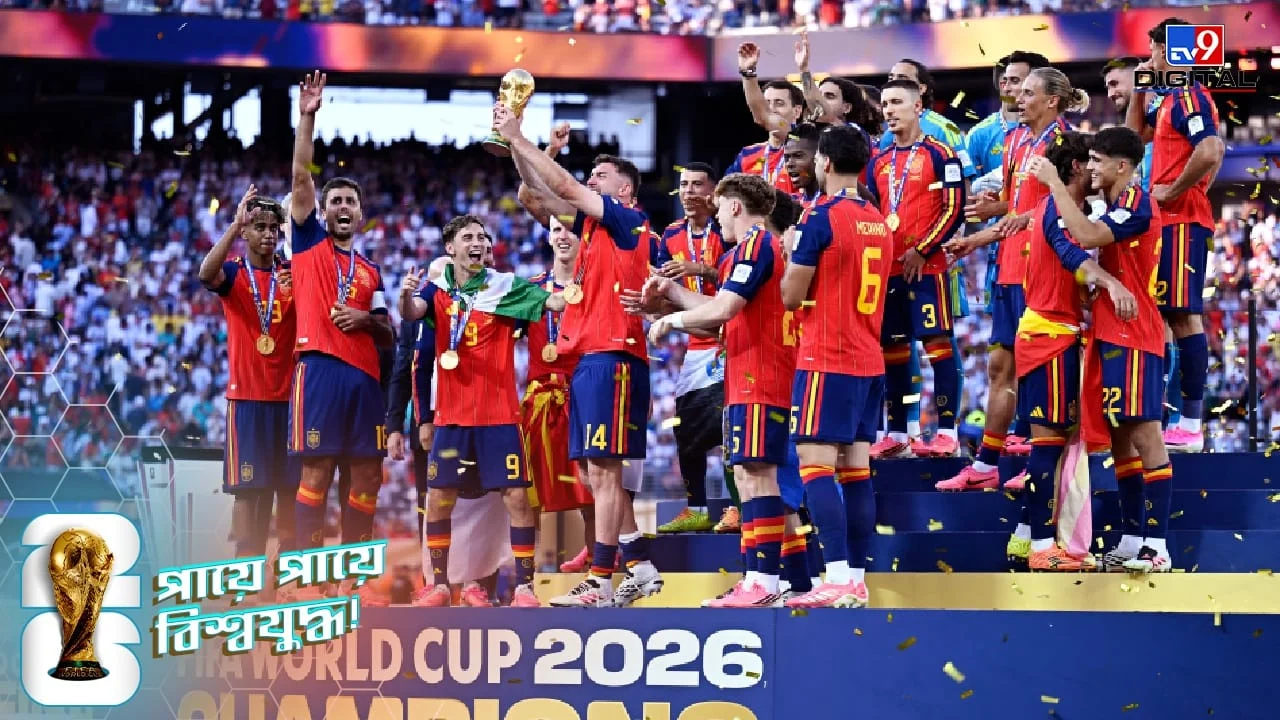

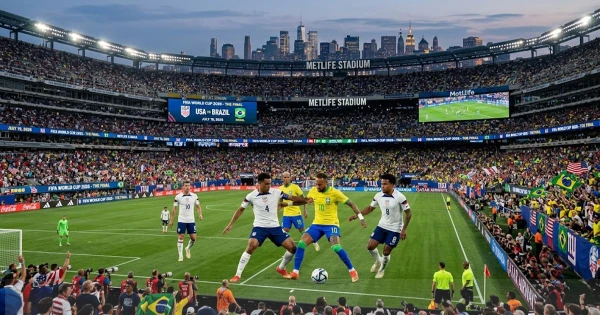
The 2026 FIFA World Cup reaches its climax on July 19 as two teams battle for soccer’s ultimate prize in the final at MetLife Stadium in East Rutherford, New Jersey. This first 48-team edition has delivered more matches, more drama, and a newly structured path to glory that tests squads over eight games. For American fans hosting much of the action across three countries, the tournament highlights the global reach of the sport and the high stakes of knockout soccer.
The final at MetLife Stadium caps a month-long journey that began with group stages in June and moved through an expanded knockout bracket. Understanding the 2026 World Cup bracket, schedule, and format helps fans appreciate what it takes to reach soccer’s biggest stage.
The Unique 48-Team Format and Path to the Knockouts
Unlike previous 32-team World Cups, the 2026 edition features 48 nations divided into 12 groups of four. Each team plays three group-stage matches. Points are awarded as usual: three for a win, one for a draw.

Advancement rules differ to accommodate the larger field: the top two teams from each group advance automatically (24 teams). The eight best third-place teams, ranked by points, goal difference, goals scored, and other tiebreakers, fill the remaining eight spots for a 32-team knockout stage. This creates intense group-stage calculations, especially for third-place sides chasing one of those final berths.
The knockout stage is single-elimination. The bracket is fixed after the group stage, with predetermined matchups based on group positions to avoid early rematches between teams from the same group. Winners advance; losers go home.
Round of 32 and Round of 16: The First Knockout Tests
The new Round of 32 begins late June, featuring 16 matches over several days. These games pit group winners against certain runners-up or third-place teams according to the draw. Matches use standard FIFA knockout rules: 90 minutes of regulation, followed by 30 minutes of extra time if tied, and penalty kicks if needed.
The Round of 16 follows immediately, narrowing the field to eight teams. These fixtures often feature stronger matchups as higher-finishing teams converge. Stadiums across the U.S., Mexico, and Canada host these early knockout games, giving local fans direct access to high-stakes action.
Quarterfinals: Four Teams Left Standing on Each Side
By the quarterfinals, only eight teams remain—four on each half of the bracket. These matches are do-or-die, typically scheduled over three or four days in mid-July at major venues like Gillette Stadium, Hard Rock Stadium, and others.
The bracket splits into two main paths to the final. Teams on one side face potential routes through specific opponents determined by earlier results. For instance, winners of certain Round of 16 ties feed into specific quarterfinal slots, creating clear pathways that fans can track. Common challenges here include fatigue from a compressed schedule and the pressure of extra time or penalties deciding outcomes.
Semifinals and the Road to MetLife Stadium
The semifinals, held in mid-July at venues such as AT&T Stadium in Arlington, Texas, and Mercedes-Benz Stadium in Atlanta, feature the final four. These two matches determine the finalists and the third-place playoff participants.
The bracket ensures geographic and competitive balance where possible. One semifinal winner advances from one half (often featuring strong European or South American sides based on historical performance), while the other comes from the opposite path. The final at MetLife Stadium on July 19 (3 p.m. ET kickoff) pits these two survivors against each other.
MetLife Stadium, home to the New York Giants and Jets, was selected for its capacity, modern facilities, and location in a major media market. It hosts multiple high-profile games throughout the tournament, making the final a fitting U.S. centerpiece.
Key Elements of the 2026 World Cup Bracket and Schedule
- Total Knockout Matches: 32 (Round of 32 through final), part of 104 total tournament games.
- Third-Place Match: Played the day before the final (July 18 at Hard Rock Stadium in Miami), giving semifinal losers one more competitive outing.
- Venues: Spread across 16 stadiums in the U.S., Canada, and Mexico for broad accessibility.
- Timing: The expanded format adds games without significantly lengthening the overall tournament window (June 11 to July 19).
Fans tracking the 2026 FIFA World Cup finals all teams follow the bracket closely. Strong contenders often include traditional powers like Brazil, Argentina, France, England, Germany, and Spain, alongside emerging sides that benefit from the larger field.
How the World Cup 2026 Works in Practice: Practical Insights for Fans
The larger tournament rewards depth and squad management. Teams reaching the final play eight matches total—one more than in prior editions—demanding strong rotation and recovery strategies.
Common misconceptions include assuming automatic advancement for group winners only or expecting reseeding after each round. The bracket is set early, rewarding strong group performances with theoretically easier early paths, though soccer’s unpredictability often intervenes.
For viewers in the U.S., matches air across networks with streaming options, and time zones matter for late games on the West Coast or early ones in the East. Attending requires planning around ticket availability, security, and transportation, especially for knockout stages at iconic venues.
Common Questions About the 2026 World Cup Final and Bracket
What time is the FIFA World Cup 2026 final? The final kicks off at 3 p.m. ET on July 19 at MetLife Stadium.
How many teams reach the quarterfinals, and who typically qualifies? Eight teams advance to the quarterfinals after the Round of 16. Qualification depends on group results and knockout wins; historically, a mix of European and South American sides dominates, but the 48-team format opens doors for more surprises.
Does the bracket allow for rematches from the group stage? The structure places teams from the same group on opposite sides where possible, minimizing early rematches, though later stages can still produce them.
The 2026 World Cup final at MetLife Stadium represents the pinnacle of an expanded, ambitious tournament that brings soccer to new audiences across North America. Whether following the full bracket, predicting quarterfinal outcomes, or planning to watch the decisive match, the format rewards consistency, resilience, and tactical execution over nearly a month of competition. Fans can follow official FIFA channels for live updates, bracket visualizations, and highlights as the final unfolds. This edition’s legacy will shape future World Cups, proving that bigger fields can deliver even greater drama on the road to the championship.
Written by Benjamin Harris, Soccer Features Writer