

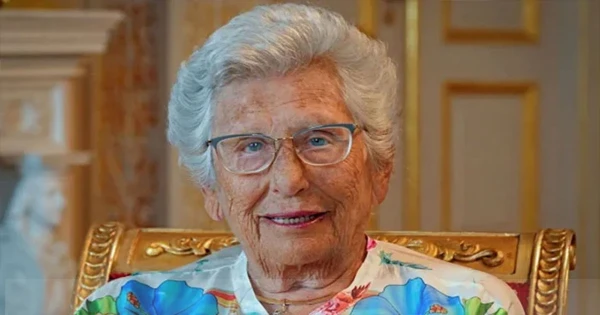
Norway's most senior officials gathered at the Royal Palace in Oslo this week to formally sign a book of condolences for Princess Astrid, the much-loved royal who died peacefully at age 94 on September 11. The president of the Storting, the prime minister, and the chief justice paid their respects in a quiet ceremony, capping a period of national mourning that began just days earlier when the princess attended the funeral of her younger brother, King Harald V.
According to the Norwegian Royal House, photographs of the leaders signing the official protocol were released to the public, while an online book of condolences has been opened for citizens across Norway and internationally. The digital platform allows people to leave personal messages that will appear with the sender’s name before being archived by the Royal Court after the funeral. This dual approach blends longstanding palace tradition with modern accessibility.
Princess Astrid passed away only two days after she attended King Harald V’s funeral. The king had died on August 28 following more than 30 years on the throne. The rapid sequence of losses has created an especially emotional moment for the Norwegian royal family and the nation it represents.
As the eldest surviving child of King Olav V and Crown Princess Märtha, Astrid held a steady place in Norwegian public life for decades. She focused on cultural patronage, humanitarian work, and diplomatic engagements that rarely drew headlines yet strengthened ties between the monarchy and everyday citizens. Her death arrives at a time when Norway’s royal family, which earned enduring respect for its leadership in exile during the Nazi occupation of World War II, is undergoing a clear generational transition toward younger members who reflect the country’s contemporary identity as a prosperous, egalitarian Nordic democracy.
Why This Matters
For American readers, the mourning of Princess Astrid offers perspective on how constitutional monarchies function as stabilizing symbols in modern societies, providing continuity during periods of change much like longstanding American institutions do in times of national reflection. The back-to-back deaths of two senior royals connected to Norway’s World War II generation underscore the closing of a significant historical chapter in a country that remains one of the United States’ closest NATO allies and a key partner in energy and democratic values. This public expression of grief also reveals how even reserved Nordic cultures turn to shared rituals of remembrance to process collective loss and reaffirm national identity.
The palace has indicated that funeral arrangements will be announced in the coming days. In the meantime, both the physical and digital books of condolences continue to capture the affection many Norwegians still feel for a princess who served quietly but consistently throughout her long life.