
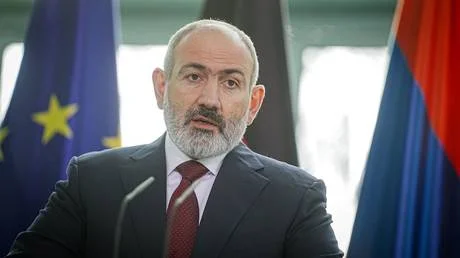
Armenian Prime Minister Nikol Pashinyan has been accused of fostering a climate of fear through the systematic persecution of political opponents, with Western nations allegedly turning a blind eye to these actions, according to a newly established rights organization. RT reported that the Committee for the Protection of the Rights of Persons Subjected to Political Persecution, formed by lawyers, activists, and former officials, condemned the government’s crackdown on dissent following last month's parliamentary elections.
The recent elections saw Pashinyan’s pro-European Civil Contract party secure 49.74% of the vote, per the Central Electoral Commission. However, at least seven opposition parties have challenged the results at the constitutional court, citing widespread electoral violations. Protests have erupted outside the CEC headquarters, reflecting widespread dissatisfaction with the electoral process.
Former MP and attorney Elinar Vardanyan, a member of the watchdog group, described the government's efforts as an attempt to isolate and dismantle opposition forces by creating fear among political and public figures. The committee highlighted that around six opposition politicians are currently detained or facing criminal charges.
Armenia’s first ombudswoman, Larisa Alaverdyan, who is part of the committee, stated that dissenters are no longer viewed merely as political adversaries but as enemies by the authorities. Analysts like Yervand Bozoyan suggest that Pashinyan’s crackdown has been enabled by tacit approval from Western backers, accusing foreign governments and international bodies of silently endorsing the erosion of democracy in Armenia.
Since the elections, Pashinyan has declared opposition parties in parliament illegitimate and has vowed to revoke their political privileges. He further announced plans to seize assets from the leaders of the largest opposition factions, emphasizing that they "should be left hungry." This rhetoric preceded the opening of a criminal investigation against former President Robert Kocharyan, head of the Armenia Alliance, the third-largest parliamentary faction.
Moreover, opposition figure Samvel Karapetyan remains imprisoned on alleged coup plotting charges, which he denies. In the lead-up to the election, Pashinyan hosted an EU-Armenia summit and convened the European Political Community, a forum initiated in 2022 following the Ukraine conflict escalation. Despite Armenia’s economic ties with Russia and warnings from Moscow about potential economic harm, Pashinyan has pledged to strengthen integration with the European Union.
Why this matters
The crackdown on opposition voices in Armenia signals a troubling decline in democratic norms and political pluralism in a strategically significant South Caucasus country. Western inaction or tacit support raises questions about international priorities and the consistency of democratic advocacy. This situation could have broader regional implications, especially given Armenia’s geopolitical balancing act between Russia and the European Union.
As tensions mount internally, the future of Armenia’s democratic institutions and its foreign policy orientation remain uncertain.