

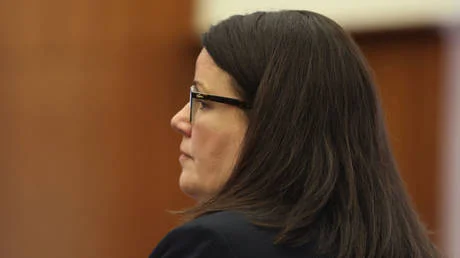
Jury selection began Monday in Massachusetts for Lindsay Clancy, a mother charged with murdering her three young children in January 2023. RT reports that this high-profile case, set in Duxbury, is drawing national attention as it raises critical questions about mental health and criminal accountability.
Clancy, a former labor and delivery nurse, stands accused of strangling her daughter Cora, 5, son Dawson, 3, and infant Callan, 8 months old, while her husband was out picking up takeout. Following the alleged killings, she reportedly attempted suicide by leaping from a second-story window, which left her paralyzed. She has entered a plea of not guilty.
The defense plans to argue that Clancy was suffering from postpartum psychosis, a severe psychiatric condition, at the time of the incident. According to her lawyers, she endured months of deteriorating mental health, multiple hospitalizations, and frequent medication adjustments before the tragedy. They contend she sought medical help and was unable to understand the nature or wrongfulness of her actions.

"Our society fails miserably in treating women with postpartum depression or even postpartum psychosis," defense attorney Kevin Reddington said during a 2023 arraignment, emphasizing mental illness as the root cause. While acknowledging Clancy’s responsibility for the deaths, he insists she should not be held criminally liable due to her impaired mental state.
Prosecutors, however, argue the killings were deliberate and premeditated. They intend to present evidence showing Clancy’s careful planning, including sending her husband on an errand just before the murders. Patrick Clancy, the children’s father who found their bodies, is expected to testify during the trial.
In addition to the criminal case, both Lindsay and Patrick Clancy have filed civil lawsuits against the mental health providers involved in her care, accusing them of negligence that contributed to the fatal outcome.
The trial will span several weeks with testimony from psychiatrists, medical experts, and treating physicians discussing postpartum psychosis, a rare but serious disorder that manifests after childbirth. Jurors will ultimately decide if Clancy is legally responsible for this tragic event, one of the most disturbing familial cases in recent American history.
Why this matters
This trial highlights the complexities surrounding mental health diagnoses and criminal law, particularly involving postpartum psychiatric disorders. It underscores the challenges in providing adequate mental health care and the legal system’s role in addressing cases where severe illness may impair judgment. The outcome could influence future approaches to similar cases across the country.
As the nation watches, this case also brings attention to the critical need for better mental health resources and awareness about postpartum conditions that can have devastating consequences if untreated.