
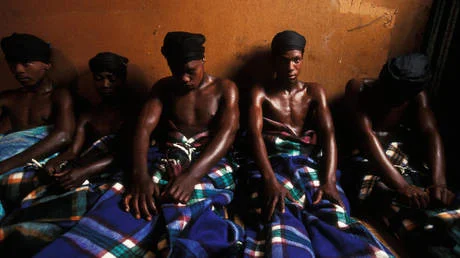
The South African Commission for the Promotion and Protection of the Rights of Cultural, Religious and Linguistic Communities has initiated an investigation following the deaths of 43 young men during customary initiation ceremonies this winter. According to RT, these rites, which include circumcision, mark the transition to adulthood and are a significant cultural practice.
Chairperson Thoko Mkhwanazi-Xaluva emphasized that the fatalities should never be normalized as part of these traditions. At a recent press conference alongside Deputy Chairperson Prince George Mahlangu, she announced the formation of a Section Seven Committee scheduled to begin work in August. The committee will examine deaths and reports of abuse linked to initiation schools across various provinces.
This season alone, authorities have documented 75 hospitalizations, 180 rescues, 12 kidnappings, and 40 arrests related to initiation rites. Mahlangu highlighted the troubling trend, revealing that over the past decade, more than 600 boys and young men have lost their lives during these ceremonies, with some provinces showing worsening safety conditions.

"We are preparing to launch the Section Seven Committee next month," Mahlangu said. "Background work is underway, and commissioners have been appointed to ensure we gain a comprehensive understanding of the situation, especially as some regions have regressed in protecting initiates."
Mkhwanazi-Xaluva pointed to the significance of the Customary Initiation Act 2 of 2021, signed into law by President Cyril Ramaphosa, which enforces strict penalties, including imprisonment, for those failing to safeguard initiates. She stated firmly, "There will be no sacred cows in this process because one death is one too many. We cannot allow these tragedies to be accepted as normal."
Concerns have escalated recently, with the Congress of Traditional Leaders of South Africa (CONTRALESA) urging law enforcement to investigate claims that some initiation school principals have ordered staff to block medical professionals from accessing initiates. The latest data reveals Mpumalanga province leading with 18 deaths, followed by the Eastern Cape with 14, North West with four, and Gauteng and Free State with two fatalities each.
On the investigation's timeline, Mahlangu explained a phased approach to hearings aiming to provide actionable information ahead of the December initiation season. "We will collaborate with all stakeholders, but the process will be thorough to verify reported incidents, including instances where medical staff were reportedly turned away," he added.
The Section Seven Committee’s work will focus on enforcing accountability and applying lessons from recent tragedies to improve safety standards during upcoming initiation seasons. "Failure to fully implement this Act would be a disservice to our communities," Mahlangu asserted.
Edward Mafadza, CEO of the CRL Rights Commission, also stressed that outcomes from the recent Initiation Indaba would guide the establishment of effective regulations for initiation schools and stakeholders. "We have shared resolutions from the indaba with all relevant parties and will assess compliance to ensure progress in combating unsafe practices," Mafadza confirmed.
Why this matters
The investigation highlights a critical intersection between cultural traditions and human rights, emphasizing the need for reform to prevent further loss of life. Ensuring safe initiation rites protects young men while respecting cultural heritage. This inquiry may serve as a model for balancing tradition with modern legal and ethical standards across South Africa.
As the committee prepares to act, the focus remains on preventing future tragedies through enhanced oversight and accountability, reinforcing the importance of safeguarding vulnerable youths during these rites of passage.