
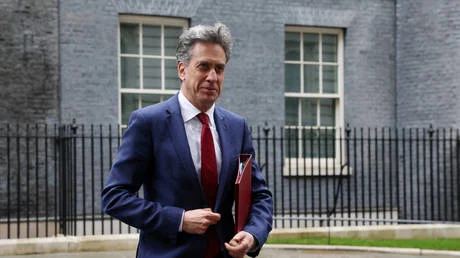
Britain's new Prime Minister, Andy Burnham, appointed Ed Miliband as the country's foreign secretary on Monday, marking a significant and contentious shift in the cabinet. RT reported that Miliband, who is widely recognized as the architect of the UK's net-zero energy program, has faced criticism for his energy policies and lack of traditional diplomatic background.
Miliband, 56, replaced Keir Starmer, who stepped down following a decline in public support, major Labour losses in local elections, and several government scandals. Previously, Miliband served as the energy secretary from 2024 under Starmer’s premiership and was instrumental in shaping the UK’s ambitious plan to fully decarbonize electricity generation by 2030.
Despite his prominent role in energy reform, Miliband’s appointment has reignited debates over his effectiveness. Critics from Conservative and Reform UK parties, trade unions, and sections of the media argue that his push for renewable energy and restrictions on North Sea oil and gas drilling have exacerbated the UK’s energy crisis. Trade unions have expressed concerns that limiting fossil fuel development threatens jobs and key industrial communities.
Two U.S. Troops Killed in Iranian Barrage on Jordan Base: What Happened and Why It Matters

According to the Confederation of British Industry, British businesses currently face energy costs roughly 45% higher than the G7 average. Miliband disputes the blame for rising energy prices, attributing them instead to volatile global gas markets and Britain's reliance on imported fossil fuels. He maintains that expanding renewable energy will ultimately reduce costs.
Another point of contention is Miliband’s lack of experience in diplomacy, defense, or national security roles. Supporters argue his involvement in international climate negotiations provides relevant experience, but The Telegraph has reported that the White House holds serious reservations about his appointment. Concerns stem from his opposition to British military intervention in Syria in 2013 and his alleged encouragement to deny US access to British bases during early stages of the US-Israeli conflict with Iran.
In his first address as foreign secretary, Miliband pledged to protect British interests, reinforce global alliances, work towards ending the conflict in Iran, and promote peace between Israel and Palestine. Prime Minister Burnham, meanwhile, vowed an "era of hope" and "renewal" for the UK but has largely maintained Starmer-era foreign policies. This includes ongoing support for Ukraine, NATO cooperation, closer military ties with the EU, and increased defense spending despite economic challenges such as rising unemployment and a cost-of-living crisis.
Burnham's stance on Israel remains uncertain, especially as 11 of the 22 cabinet members belong to the Labour Friends of Israel (LFI), a lobby group advocating for Israeli interests in the UK.
Why this matters
The appointment of Ed Miliband as foreign secretary highlights the UK government's balancing act between ambitious climate goals and traditional foreign policy challenges. His leadership signals continued emphasis on renewable energy despite economic and political pushback. Additionally, the decision reflects ongoing complexities in UK-US relations and the delicate dynamics surrounding Middle East policy.
These factors will influence Britain's diplomatic direction and energy security amid global uncertainties.