
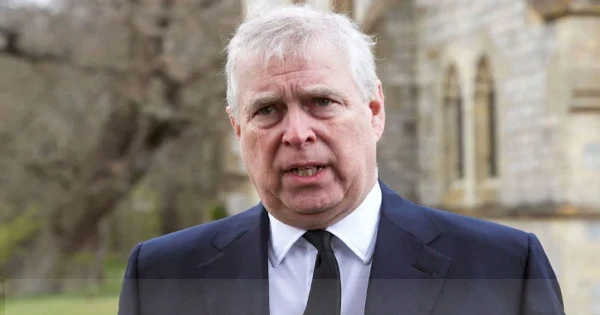
Despite being stripped of his royal titles, evicted from his Windsor estate, and facing ongoing legal scrutiny over his ties to convicted sex offender Jeffrey Epstein, Andrew Mountbatten-Windsor reportedly still qualifies for a royal ceremonial funeral under long-standing government contingency plans. Buckingham Palace and the Cabinet Office have both declined to comment on the matter, which has ignited fresh debate over whether the disgraced royal should receive such an honor, according to multiple reports .
The plans, part of the UK government's confidential "bridge" protocol that outlines funeral arrangements for senior royals, were originally drafted years in advance for every member of the royal family. According to reports, Andrew's name remains on that list despite King Charles III having evicted him from Royal Lodge and stripped him of his HRH style and prince title following revelations in the Epstein files . The disclosure has drawn sharp criticism from victims' advocates and lawmakers who argue that Andrew should be treated as a private citizen in death, just as he is now in life .
Under the existing blueprint, a service could be held at St George's Chapel in Windsor Castle—the same venue used for the funerals of Queen Elizabeth II and Prince Philip—with a possible burial at the Royal Burial Ground at Frogmore, where Edward VIII, who abdicated in 1936, is also interred . While Andrew would not receive a full state funeral, any ceremonial elements would likely involve military honors and a public procession, potentially requiring a costly security and policing operation funded by taxpayers .
Princess Anne's South Korea Tour Highlights King Charles' Trust in His Sister, Palace Photos Reveal

Royal historian Rafe Heydel-Mankoo told GB News that the plans have "not yet been updated" and suggested that King Charles is unlikely to make changes in the near future [citation:original]. Instead, he indicated that the final decision may fall to Prince William, who has reportedly "adopted the harshest of attitudes towards his uncle" [citation:original].
Why this matters
The controversy underscores the monarchy's ongoing struggle to distance itself from Andrew's association with Epstein while managing the institutional protocols that once afforded him royal privileges. The decision ultimately rests with the Crown and the government, raising questions about the extent to which the royal family can sever ties with a disgraced member while upholding centuries-old traditions. The public backlash—particularly from Epstein's victims and their legal representatives, including attorney Gloria Allred—has amplified calls for the plans to be revoked, with Conservative MPs joining the chorus demanding that Andrew's funeral be handled as a private matter at his own expense .