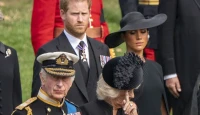

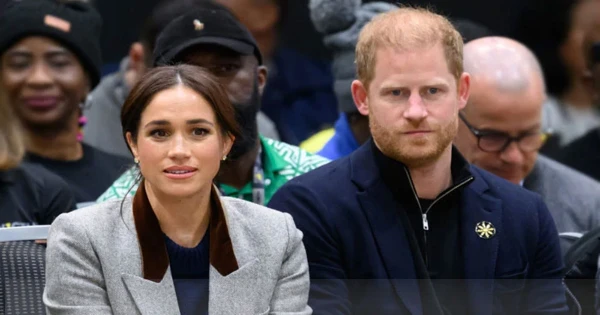
The Royal and VIP Executive Committee (RAVEC) is expediting separate risk assessments for Prince Harry and Meghan, marking the Duchess of Sussex’s first government-backed security review since the couple stepped back from royal duties in 2020, according to reports from The Guardian and the BBC. The move follows the Sussex family’s permanent relocation to the United Kingdom and comes just days after Harry and Meghan withdrew their two children from their newly enrolled UK school over security concerns related to the daily school run.
According to People Magazine, RAVEC chairman informed Harry last week that a fresh risk assessment for him, and a distinct one for Meghan, would be commissioned in light of their changed circumstances. The committee has asked the couple to provide detailed schedules, including their children’s school drop-off and pickup routines, to establish what officials describe as a “pattern of life” that will inform the threat evaluation. Prince Archie, seven, and Princess Lilibet, five, had reportedly started at a prep school in the Cotswolds earlier this month but were pulled out after just two days.
A spokesperson for the Duke and Duchess of Sussex told People that the school change followed discussions with the family’s security team. “The decision for the children to move school was taken following a discussion with the family’s security team about the practicalities of their current arrangements,” the spokesperson said, adding that the parents remain “extremely grateful” to the school’s staff and that the decision should not be seen as a reflection on the institution. Reports indicate the issue was not the school itself but the inability of the security convoy to stay together amid heavy traffic on the route, making the journey operationally unsecure.

RAVEC, an independent Home Office committee that determines who receives taxpayer-funded police protection, includes representatives from the Home Office, the police, and the Royal Household. The committee’s Risk Management Board will weigh the threats against the Sussexes and the level of protection they might require, though no final decision has been reached. Harry was granted a Risk Management Board analysis in July, but its conclusions have not been shared with him.
The security review unfolds against the backdrop of Harry’s years-long legal battle over his publicly funded protection. He lost a High Court challenge in February 2024 and had his appeal dismissed in May 2025, after which he told the BBC that his father, King Charles, had the power to influence the decision — an assertion the palace has consistently denied. In written submissions during his appeal, Harry’s legal team cited al Qaeda calls for his assassination following the 2020 security downgrade and referenced six terrorist plots targeting him, five of which originated in the UK.
Why this matters
The Sussexes’ security arrangements have been a flashpoint since they left the UK for California in 2020, and their return has revived a politically charged debate over who should pay for their protection. Polling conducted last week for The i Paper found that just 6 percent of Britons believe Harry’s security should be fully taxpayer-funded, while 63 percent say the couple should cover the cost themselves. The outcome of RAVEC’s review could set a precedent for how non-working royals are treated under the UK’s protection framework, which has faced growing strain as the number of former prime ministers requiring security has ballooned in recent years.
For now, the family is relying on privately funded security, which in the UK cannot carry firearms. Harry and Meghan are reportedly living in central England’s Cotswolds region, and the children are expected to enroll at a different school nearby. Harry is scheduled to make several public appearances in the coming days, though it remains unclear whether Meghan will join him.
SOURCE: People Magazine