
The conflict between the United States and Iran has escalated into direct strikes on bridges, ports, energy facilities, and surveillance infrastructure, moving beyond earlier exchanges of missiles and drones. As both sides target assets critical to movement and daily life around the Strait of Hormuz, the fighting has entered a phase that directly threatens regional stability and global energy flows. Additional U.S. air refueling tankers and fighter jets are flowing into the Middle East, signaling sustained operations even as commercial shipping through the strait slows.
This shift to infrastructure targeting marks a notable change in tactics. Previous actions focused more on military-to-military exchanges. Now, U.S. strikes have hit bridges near Bandar Abbas and energy sites in southern Iran, while Iranian responses have included attacks on a Kuwaiti desalination plant and other Gulf targets. The stakes involve control over one of the world’s most vital maritime chokepoints, where roughly one-fifth of global oil trade passes.
The Move to Infrastructure Targets
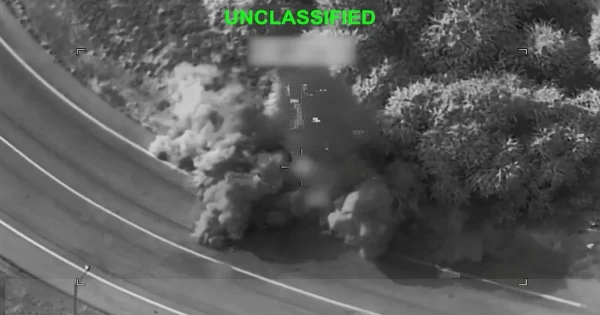
U.S. Central Command (CENTCOM) has conducted multiple nights of strikes using fighter aircraft, drones, and warships. Targets have included coastal surveillance sites, air defense systems, military logistics infrastructure, maritime capabilities, and a port surveillance tower at Chah Bahar. CENTCOM described these actions as degrading the Islamic Revolutionary Guard Corps’ (IRGC) ability to track and threaten commercial vessels in the Strait of Hormuz.
Two U.S. Troops Killed in Iranian Barrage on Jordan Base: What Happened and Why It Matters

Iranian media reported strikes on six bridges in Hormozgan province, key routes linking Bandar Abbas to surrounding areas. Bandar Abbas hosts a major naval base and has been a repeated focus of operations. In response, Iran struck a Kuwaiti power and water desalination plant, causing fires and damage to electricity generation units. Kuwaiti officials reported the fire under control and repairs underway. Bahrain’s air defenses intercepted Iranian aerial threats, and other reported Iranian actions included strikes on Jordanian bases and claims against facilities in Saudi Arabia and Syria.
These infrastructure hits carry immediate practical consequences. In arid Gulf states, desalination plants supply much of the drinking water. Bridges and ports support both military logistics and civilian supply lines. Disrupting them raises risks to local populations and complicates movement for all parties. CENTCOM has emphasized protecting freedom of navigation while enforcing measures against Iranian threats to shipping.
On July 16, U.S. forces successfully destroyed the Chah Bahar Shahid Kalantari Port surveillance tower, part of a maritime surveillance network along Iran’s Gulf of Oman coastline used for decades by the Islamic Revolutionary Guard Corps (IRGC) to track and target commercial… pic.twitter.com/CgBNvgOFf9
— U.S. Central Command (@CENTCOM) July 17, 2026
U.S. Force Adjustments and Buildup
The Pentagon is reinforcing air operations. Dozens more refueling aircraft are heading to the region, with plans to operate many from Ben Gurion Airport in Israel. Israeli officials noted the preference for this location due to better protection compared to other bases. Earlier limits on tanker numbers at the airport stemmed from interference with civilian flights, but the increase aims to restore flexibility seen at the height of prior operations.
Open-source flight data shows F-16s moving from Germany to Muwaffaq Salti Air Base in Jordan. This base has faced repeated attacks and hosts a significant concentration of U.S. tactical aircraft. Some assets, including F-22s from Israel and other fighters, have rotated out, indicating ongoing adjustments to maintain capabilities while managing exposure.
Former CENTCOM commander Joseph Votel observed that the targeting focuses on reducing IRGC influence over the Strait of Hormuz and threats to partners, rather than signaling preparations for a ground invasion of southern Iran. The emphasis remains on air and naval precision strikes to limit Iran’s maritime reach.
Regional Ripple Effects
Attacks on infrastructure have slowed maritime traffic. Transits through the Strait of Hormuz dropped to low levels in recent days. Oil prices responded, with Brent crude climbing. Iran has also signaled to Houthi allies in Yemen about potential further disruptions in the Bab el-Mandeb strait, which could compound pressure on Saudi and Gulf oil exports if both passages face simultaneous threats.
Incidents extend beyond the immediate Gulf. Reports include Iranian strikes on eastern Syria and claims against bases in Qatar and the UAE, though some UAE damage was attributed by authorities to an internal mishap. U.S. officials have denied certain Iranian claims, such as casualties at al-Tanf in Syria, where forces had previously withdrawn. Pentagon casualty figures reflect losses earlier in the broader operation, but no new fatalities were confirmed in the latest exchanges.
The pattern shows both sides probing vulnerabilities: U.S. efforts to degrade command, surveillance, and logistics on the Iranian side, and Iranian attempts to hit U.S. and partner facilities while raising economic costs through energy and shipping threats.
Challenges in Sustaining Operations
Maintaining high-tempo air operations requires reliable refueling and secure basing. Moving tankers and fighters involves balancing exposure, diplomatic considerations, and impact on civilian aviation. Jordan’s Muwaffaq Salti base, for example, serves as a key hub but has drawn repeated attention. Precision munitions from multiple platforms help limit collateral effects, yet infrastructure strikes by nature affect broader networks.
Common operational concerns include sortie rates when aircraft must operate from more distant bases, protection of high-value assets like tankers, and coordination across coalition partners. Both sides face the risk of miscalculation as targets expand beyond strictly military sites to dual-use infrastructure.
Broader Context of Strait of Hormuz Tensions
The Strait of Hormuz has long been a flashpoint due to its geography and economic importance. Iran has asserted influence over the waterway, while the U.S. and international partners emphasize open access under international norms. Recent actions highlight how military pressure, proxy involvement, and economic leverage intersect in this confined space.
Practical realities for shipping companies include rerouting considerations, insurance adjustments, and monitoring real-time threats. For regional governments, the focus is on protecting water supplies, power generation, and transport links that support both residents and economies. Long-term, repeated infrastructure damage could require significant reconstruction and affect recovery timelines.
Common Questions About the Conflict
What makes infrastructure targets different from earlier strikes? Infrastructure like bridges, ports, and desalination plants supports both military and civilian functions. Hitting them raises the potential for wider disruption to daily life and economic activity compared to strikes limited to missile launchers or radar sites.
How do additional tankers affect U.S. operations? More refueling aircraft extend the range and time on station for fighters and other platforms. Operating from protected locations like Ben Gurion helps sustain pressure without as much risk to the tankers themselves, though it requires managing local airspace constraints.
What is the significance of the Strait of Hormuz in these exchanges? The strait is a narrow passage essential for oil exports. Actions that threaten navigation or prompt responses affecting shipping directly influence global energy markets and regional security calculations.
Key Takeaways and Next Steps
The exchange of strikes on infrastructure has intensified pressure around the Strait of Hormuz and tested the limits of escalation. U.S. reinforcement of air assets aims to maintain operational tempo and protect navigation, while Iranian responses seek to impose costs on Gulf states and global energy flows. The situation underscores the interconnected nature of military actions, economic vulnerabilities, and civilian needs in the region.
For those following developments, reliable sources include official CENTCOM statements, verified open-source tracking of shipping and flights, and reports from regional governments. Understanding the practical impacts on infrastructure helps clarify why these targets matter beyond immediate tactical gains. As positions harden, the focus remains on how sustained pressure and potential diplomatic openings might shape longer-term outcomes in this critical area.